

India’s Rich Cultural Heritage: My Personal Journey
India’s cultural heritage is truly diverse and rich. Whenever I travel to different parts of India, I find its culture and traditions fascinating. Whether it’s religious festivals, art, music, dance, or Indian cuisine, each one has something special to offer. I’m going to share my travel experiences with you about India’s cultural heritage, which I found to be very interesting and inspiring.
Cultural Roots of India: My First Encounter
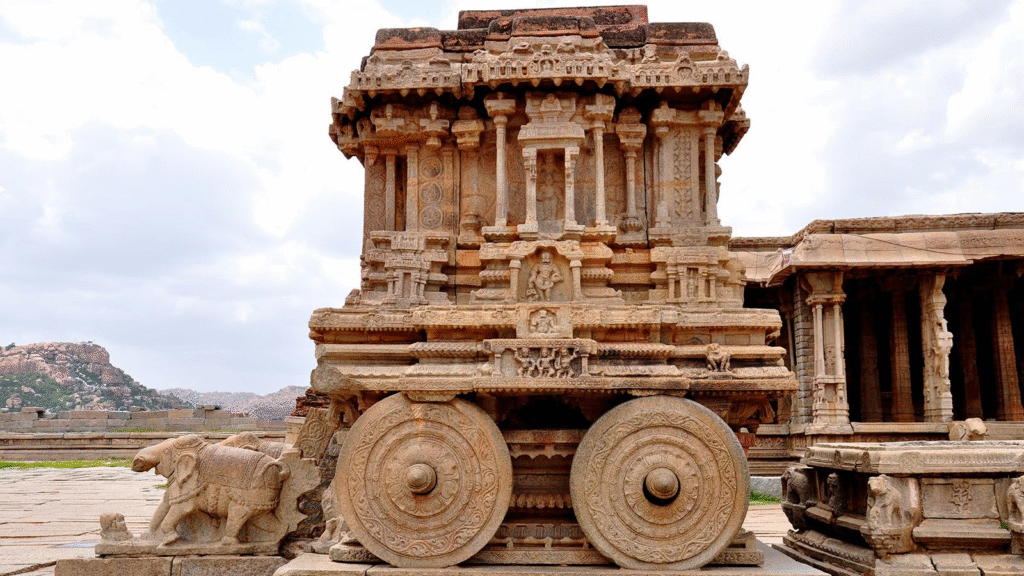
India’s cultural roots are very ancient, and when I first read about the Indus Valley Civilization , I realized just how ancient India’s cultural heritage is. The civilizations of Harappa and Mohenjo-daro have left a deep mark on history. Their architecture and engineering have always amazed me. I’ve seen some photographs of these places, and I find it fascinating that these ancient civilizations had such amazing systems in place.
Later, while reading about the Vedic period , I realized that Indian culture was deeply rooted in questions of religion and life. The Vedas not only gave rise to religious ideas but also explained various aspects of our lives.
The Influence of Dynasties: Layers of History
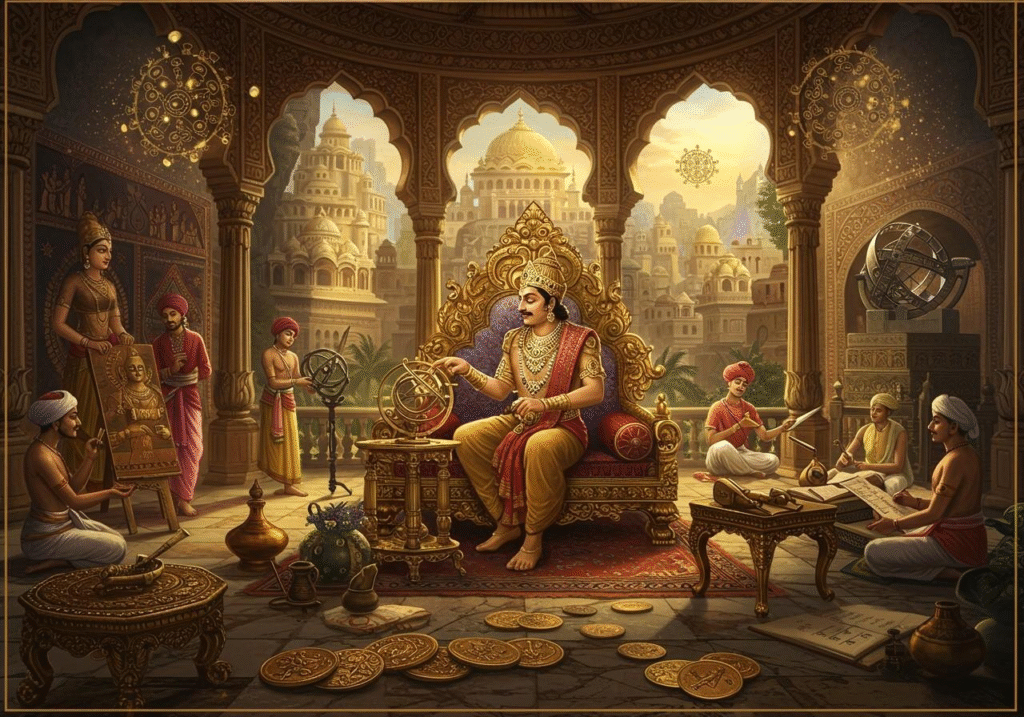
As I delved deeper into Indian history, I realized that the Mauryan Empire and the Gupta Empire profoundly influenced Indian culture. Emperor Ashoka ‘s propagation of Buddhism and the science, mathematics, and literature of the Gupta period completely transformed my thinking. I began to think that the contributions made by these emperors are still visible in our lives today.
When I read about the Mughal Empire , I was fascinated by how these kings promoted art, literature, and music in India. Seeing the Taj Mahal in particular made me wonder how such grandeur and beauty could have been built without modern technology. The influence of Mughal culture is also visible in Indian food and clothing. Dishes like biryani , naan , and kebabs are still common in every Indian household.
Religion and Philosophy: My Understanding
Thinking about religion and philosophy in India, I realized that religious diversity is deeply important in Indian culture. Hinduism , Buddhism , Jainism , and Sikhism have always held Indian society together. Talking to many of my friends and family members, I realized that religion in India is not just a form of worship, but a way of life.
I also learned a lot from the teachings of Gautama Buddha and Mahavira . Their teachings on nonviolence and self-realization , in particular, continue to inspire me.
Music, Dance and Art: The Voice of My Soul
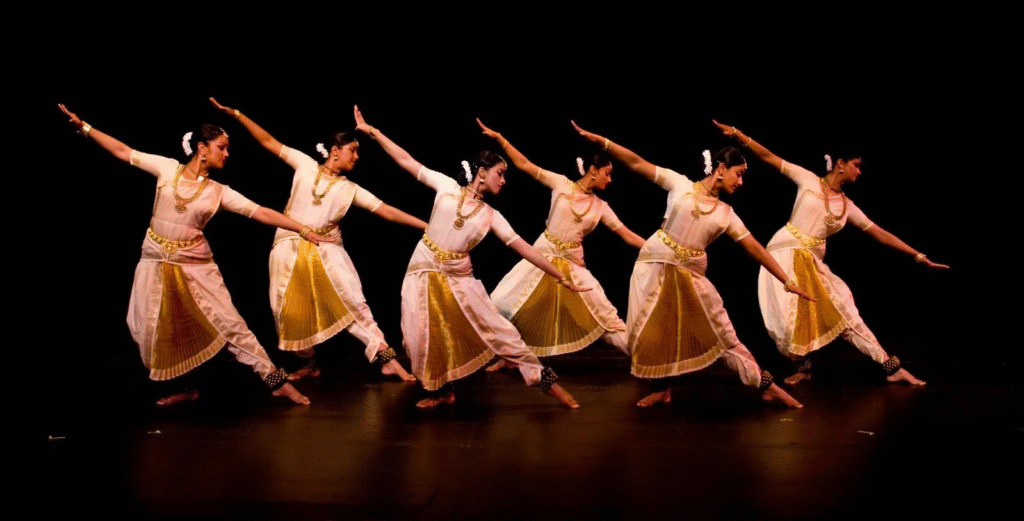
Music, dance, and art hold a very important place in India, and when I witnessed these art forms in person, I realized their depth and impact. Classical dance forms like Bharatanatyam , Kathak , and Kathakali hold so much beauty and emotion that I am always captivated by them. Each dance has a story, which makes me feel the creativity of Indian culture.
Folk dances in India are also very colorful. When I perform Bhangra or participate in Garba , it’s not just a dance, but it brings joy and energy to my soul. I feel that Indian culture has taught us how to be happy and enjoy life.
Festivals: The Colours of Indian Life
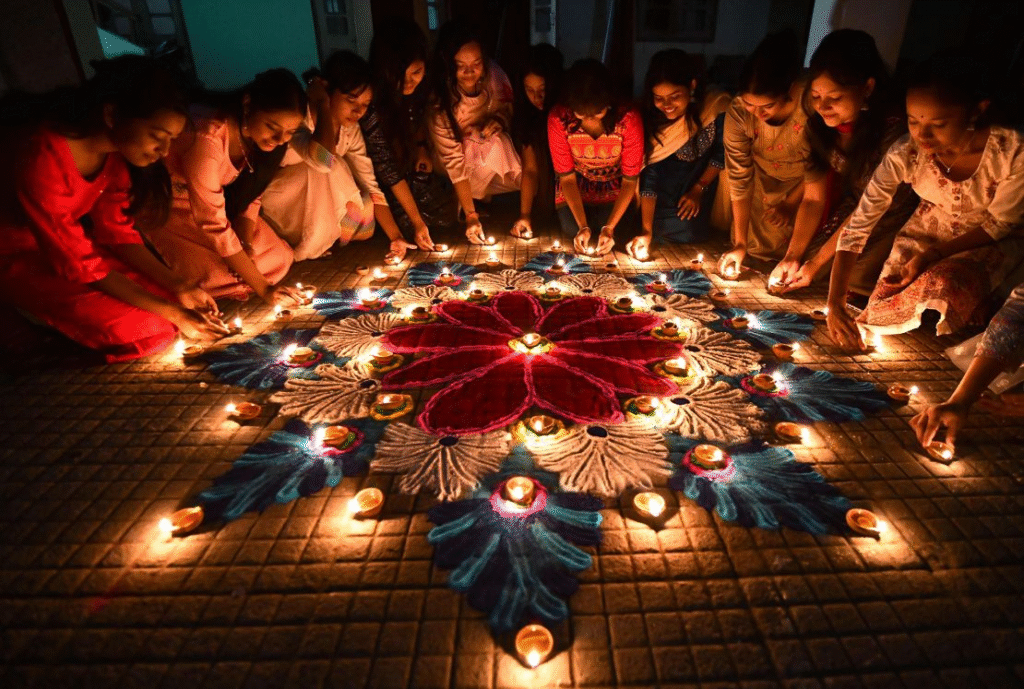
Indian festivals are truly special. When I celebrated Diwali for the first time, I realized that it’s not just a festival, but a spirit that unites everyone. Decorating homes with lamps , sharing meals with family, and worshipping Lord Rama all create a deep sense of joy and togetherness.
The festival of Holi has always been one of the most colorful experiences of my life. Immersing myself in colors, playing with friends and family, eating, drinking, and having fun was so special that I’ll never forget it.
Indian Food: Taste and Culture
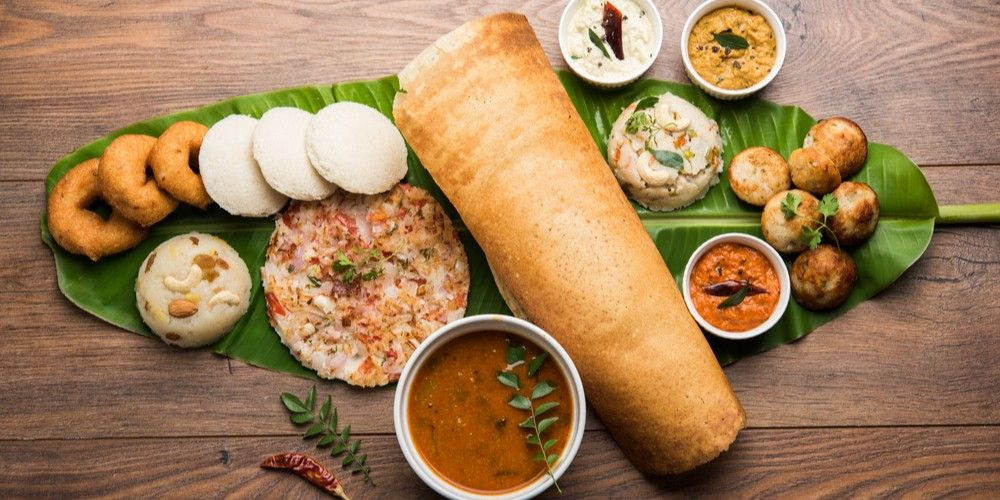
What can I say about Indian food! Traveling across India, I’ve discovered the unique flavors of each state. Biryani , dal-roti , idli , dosa —I love every dish. I remember tasting lassi in Punjab , and it was a truly delicious experience.
Eating in India isn’t just about filling your stomach, it’s about being a cultural experience. The way people meet, smile, and share joy after a meal makes Indian culture even more special.
Preserving Indian Cultural Heritage: My Responsibility
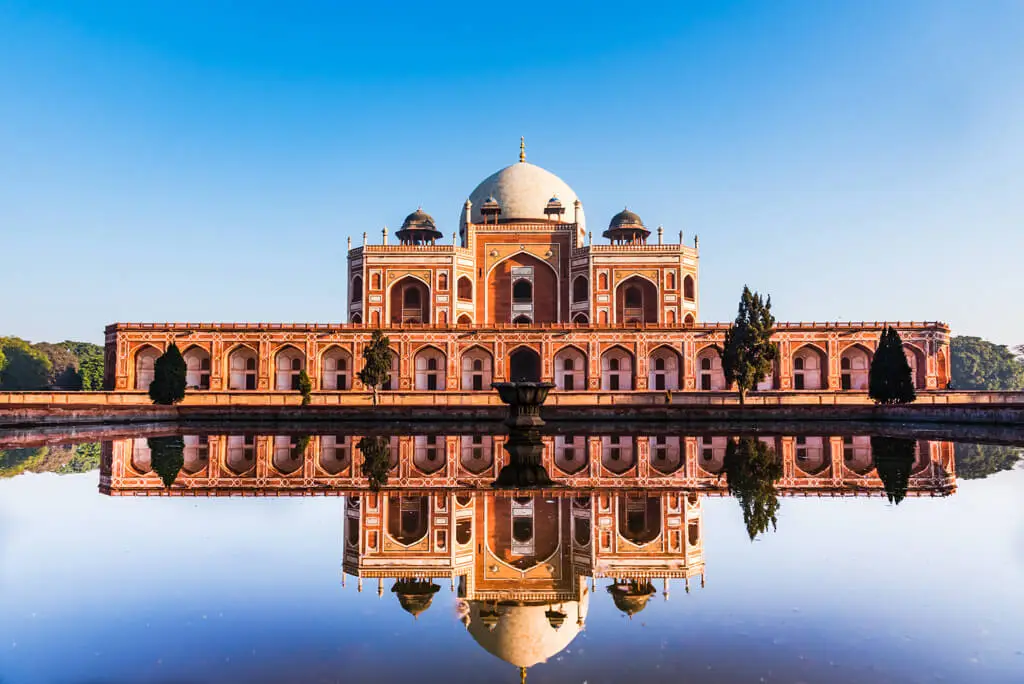
Nowadays, we all need to preserve our cultural heritage. I’ve always felt that if we don’t preserve our culture, future generations will likely lose it. The Indian government and many organizations are working on this, but it’s also our responsibility to understand and respect these traditions.
Conclusion: A Cultural Tour
India’s cultural heritage is truly rich, and experiencing it has made me realize that it’s not just a thing of the past, but rather, it’s our identity, deeply embedded in our hearts. Every festival, every song, every dance, and every dish symbolizes India’s living culture. When I experience these things, I feel like I’m part of a vast cultural journey.
Indian culture has taught me how to live life—simplically, lovingly, and enjoying every moment. This journey continues to teach me a never-ending lesson.
FAQs
This article is based on my personal travels. To truly understand and experience India’s cultural heritage, you must experience and be immersed in it.
#IndiaCulture #CulturalHeritage #ExploreIndia #IndianTraditions #IndiaDiaries #CulturalJourney #IndianFestivals #HeritageSites #IndianMusic #DanceAndArt #IndianCuisine #Carrerbook #Anslation #CulturalExperience #VibrantIndia #IndianHistory